
Summary:
Singapore’s extensive oil infrastructure—built around storage, refining, and global trading—continues to provide a long-term strategic advantage even as the world shifts toward renewable energy. Rather than becoming obsolete, Singapore’s energy ecosystem is evolving into a multi-energy hub that integrates oil, liquefied natural gas, hydrogen, and future green fuels. This adaptability ensures continued economic relevance, supports global energy transitions, and strengthens Singapore’s position as Asia’s leading energy marketplace for decades to come.
The Global Shift Toward Renewable Energy
The world is undergoing a major energy transition.
Governments and industries are increasingly focusing on:
- Reducing carbon emissions
- Investing in renewable energy
- Moving away from fossil fuels
However, this transition is gradual—not immediate.
Oil and related products still:
- Power transportation systems
- Support manufacturing industries
- Serve as raw materials for petrochemicals
This means that oil infrastructure remains relevant, especially in a strategically positioned country like Singapore.
Why Oil Infrastructure Still Matters Today
Even in a renewable future, oil infrastructure plays a critical role.
1. Continued Demand for Oil
Despite the push for renewables:
- Global energy demand is rising
- Developing economies still rely on fossil fuels
- Aviation and shipping remain heavily oil-dependent
2. Petrochemicals Are Irreplaceable
Oil is not just fuel—it is a key input for:
- Plastics
- Chemicals
- Pharmaceuticals
- Consumer goods
This ensures that refining and petrochemical industries will continue to operate for decades.
Singapore’s Oil Infrastructure: A Strategic Asset
Singapore has built one of the most advanced oil ecosystems in the world.
Key components include:
- Storage facilities
- Refineries
- Trading platforms
- Logistics networks
At the centre of this system is Jurong Island, which houses a dense cluster of energy and chemical companies.
Supporting infrastructure like the Jurong Rock Caverns enables:
- Efficient storage
- Land optimization
- Enhanced energy security
This infrastructure is not easily replicated by other countries.
From Oil Hub to Multi-Energy Hub
Singapore is not standing still—it is evolving.
The country is transitioning from being an oil hub to a multi-energy hub, integrating:
- Oil
- Liquefied natural gas (LNG)
- Hydrogen
- Biofuels
- Carbon trading
This transition leverages existing infrastructure while adapting to future energy needs.
LNG: The Bridge Fuel of the Future
Liquefied natural gas (LNG) plays a key role in the transition to cleaner energy.
Compared to oil, LNG:
- Produces lower carbon emissions
- Is more flexible for power generation
- Supports renewable energy integration
Singapore has invested heavily in LNG infrastructure, positioning itself as a regional LNG trading hub.
This complements its existing oil ecosystem, allowing Singapore to:
- Diversify energy sources
- Maintain relevance in global energy markets
Hydrogen: The Next Frontier
Hydrogen is expected to become a major energy source in the future.
Singapore is exploring hydrogen as:
- A clean fuel alternative
- A storage medium for renewable energy
- A solution for decarbonizing industries
Existing oil infrastructure can be adapted to:
- Store hydrogen
- Transport energy carriers
- Support new energy supply chains
This gives Singapore a head start in the hydrogen economy.
The Role of Energy Trading in the Future
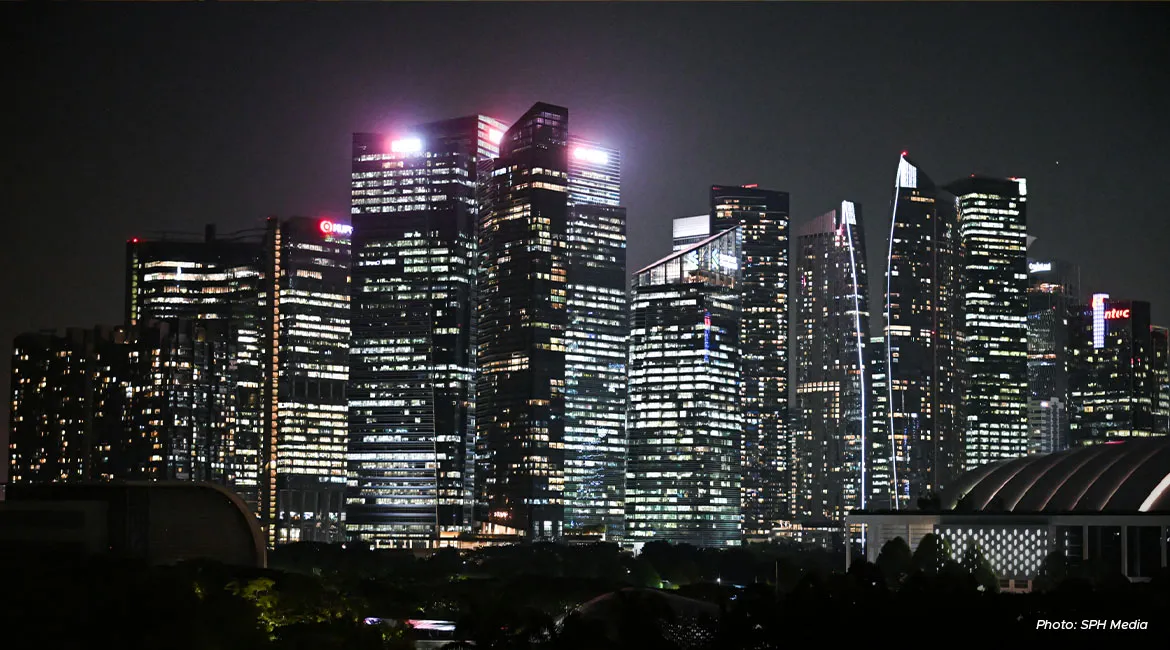


4
Energy trading will remain a key component of Singapore’s advantage.
Even as energy sources evolve:
- Markets still need pricing mechanisms
- Traders still need hubs
- Financial systems still drive transactions
Singapore’s strengths in:
- Financial services
- Regulatory clarity
- Market transparency
make it a natural hub for trading:
- Oil
- LNG
- Carbon credits
- Renewable energy certificates
Carbon Markets and Sustainability
Singapore is positioning itself as a leader in carbon trading.
Carbon markets allow companies to:
- Offset emissions
- Trade carbon credits
- Meet sustainability targets
Singapore’s existing financial ecosystem supports:
- Carbon exchanges
- Sustainable finance
- ESG investments
This creates new opportunities that build on its oil trading expertise.
Why Infrastructure Gives Singapore a Lasting Advantage
Infrastructure is one of the hardest assets to replicate.
Singapore’s advantages include:
- Decades of investment
- Integrated systems
- Strategic location
Countries like Vietnam and Indonesia are developing their energy sectors, but they face challenges such as:
- Limited infrastructure
- Regulatory complexity
- Fragmented systems
Singapore’s head start creates a long-term competitive edge.
Strategic Location Remains Key
Singapore’s position along the Strait of Malacca ensures that it remains relevant regardless of energy type.
Whether transporting:
- Oil
- LNG
- Hydrogen
- Renewable fuels
Singapore will continue to serve as:
- A transit hub
- A storage centre
- A trading marketplace
Supporting the Global Energy Transition
Singapore’s infrastructure supports not just its own economy, but the global energy transition.
It enables:
- Efficient distribution of cleaner fuels
- Integration of renewable energy systems
- Development of new energy markets
Rather than being left behind, Singapore is helping to shape the future of energy.
Business Opportunities in the New Energy Landscape
The evolution of Singapore’s energy sector creates new opportunities for businesses.
1. Energy Trading
Expansion into new energy products.
2. Infrastructure Development
Opportunities in storage, transport, and logistics.
3. Technology Innovation
Development of energy-efficient systems and solutions.
4. Sustainability Services
Carbon management, ESG consulting, and green financing.
Businesses that align with these trends can benefit from Singapore’s evolving ecosystem.
Resilience in a Changing World
Singapore’s diversified energy approach increases resilience.
By combining:
- Traditional oil infrastructure
- Emerging energy systems
Singapore reduces:
- Dependence on a single energy source
- Exposure to market volatility
This resilience is a key advantage in an uncertain global environment.
Why Investors Still See Singapore as an Energy Hub
Investors continue to view Singapore as a top destination because it offers:
- Stability
- Strong infrastructure
- Future-ready strategies
Even as energy evolves, Singapore’s ability to adapt ensures:
- Continued returns
- Long-term growth potential
The Integration of Energy, Finance, and Logistics
Singapore’s true strength lies in integration.
It combines:
- Energy infrastructure
- Financial markets
- Logistics networks
This creates a seamless ecosystem where:
- Energy flows efficiently
- Capital moves easily
- Businesses operate smoothly
This integration is difficult for competitors to replicate.
Long-Term Outlook: Why Singapore Will Remain Relevant
Looking ahead, Singapore is well-positioned to remain a global energy hub because it:
- Adapts to changing energy trends
- Invests in future technologies
- Maintains strong governance
While other countries may focus on production, Singapore focuses on:
- Systems
- Efficiency
- Connectivity
This ensures long-term relevance.
Conclusion: Turning Oil Infrastructure into a Future Advantage
Singapore’s oil infrastructure is not a relic of the past—it is a foundation for the future.
By leveraging its:
- Storage capabilities
- Refining expertise
- Trading ecosystem
Singapore is transforming itself into a multi-energy hub that supports both traditional and renewable energy systems.
In a world moving toward sustainability, Singapore’s ability to adapt and integrate new energy sources ensures that it remains at the forefront of global energy markets.
This strategic evolution is what gives Singapore a lasting advantage—not just today, but for decades to come.