
Summary:
When oil prices rise, Singapore’s economy experiences both challenges and opportunities due to its unique position as a global energy trading and refining hub. Higher oil prices typically increase inflation, raise transportation and operating costs, and put pressure on consumers and businesses. However, Singapore also benefits through stronger performance in its oil trading, refining, and bunkering sectors. Thanks to its strategic reserves, advanced infrastructure, and role in global energy markets, Singapore is better positioned than most countries to manage the impact of rising oil prices while maintaining economic stability.
Why Oil Prices Matter So Much to Singapore
Singapore is highly dependent on global trade and imported energy. Unlike oil-producing nations, it does not control supply but plays a key role in:
- Refining crude oil
- Storing energy
- Trading oil and related products
This means oil price movements directly influence:
- Inflation
- Business costs
- Consumer spending
- Overall economic growth
In 2026, with geopolitical tensions and supply disruptions affecting global oil markets, Singapore’s exposure to oil price changes is especially significant.
Understanding Why Oil Prices Rise
Oil prices can increase due to several global factors, including:
- Conflicts in key oil-producing regions like the Middle East
- Production cuts by major exporters
- Supply chain disruptions
- Increased global demand
When these factors converge, oil prices can rise sharply, creating ripple effects across global economies.
Immediate Impact: Rising Inflation in Singapore
One of the first effects of higher oil prices is inflation.
Oil is a key input for:
- Transportation
- Electricity generation
- Manufacturing
When oil prices rise:
- Fuel costs increase
- Logistics costs go up
- Businesses pass on higher costs to consumers
In Singapore, this translates into:
- Higher food prices (due to transport costs)
- Increased electricity bills
- More expensive goods and services
Inflation reduces purchasing power and affects overall consumer confidence.
Transportation and Logistics Costs Surge
Singapore is a major logistics hub, and rising oil prices directly impact this sector.
Key Effects:
- Higher fuel costs for trucks and delivery fleets
- Increased shipping costs
- Rising air freight charges
Businesses involved in:
- E-commerce
- Import/export
- Distribution
will face higher operational expenses.
Even daily commuting costs may rise, affecting households and workers.
Impact on Businesses: Winners and Losers
Higher oil prices create both challenges and opportunities across different industries.
Businesses That Are Negatively Affected:
- Transportation and logistics companies
- Airlines and travel businesses
- Manufacturing firms with high energy usage
- SMEs with thin profit margins
Businesses That Benefit:
- Oil traders
- Refining companies
- Energy service providers
Singapore’s role as a global energy hub means that while some sectors struggle, others thrive.
Oil Trading and Refining: A Major Upside


4
Singapore’s energy sector is a major beneficiary of rising oil prices.
Facilities on Jurong Island play a critical role in:
- Refining crude oil
- Producing petrochemicals
- Supporting global supply chains
When oil prices rise:
- Trading volumes often increase
- Profit margins for refiners may improve
- Demand for storage and logistics services grows
Global energy companies such as:
- Shell
- ExxonMobil
- BP
can benefit from increased activity, boosting Singapore’s overall economic output.
Bunkering Sector Gains Momentum
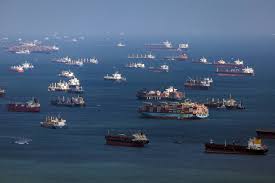
Singapore is the world’s leading bunkering hub, supplying fuel to ships passing through the Strait of Malacca.
When oil prices rise:
- The value of bunker fuel sales increases
- Trading activity intensifies
- Revenue from maritime services grows
Although higher prices can reduce demand slightly, the overall value of transactions often increases, benefiting Singapore’s port and maritime ecosystem.
Role of Strategic Reserves in Cushioning the Impact
Singapore’s energy resilience is supported by infrastructure such as the Jurong Rock Caverns.
These reserves allow Singapore to:
- Manage short-term supply disruptions
- Stabilize fuel availability
- Reduce panic-driven price spikes
While Singapore cannot control global oil prices, it can:
- Smooth out supply fluctuations
- Maintain operational stability
This provides a significant advantage over countries with limited reserves.
Currency and Trade Balance Effects
Higher oil prices can influence Singapore’s trade balance.
Negative Impact:
- Increased cost of energy imports
- Higher expenditure on fuel
Positive Impact:
- Stronger performance in oil trading and exports
- Increased revenue from refining and petrochemicals
Singapore’s diversified economy helps balance these effects, reducing overall vulnerability.
Impact on Consumers and Households
For everyday Singaporeans, rising oil prices are felt in several ways:
1. Higher Cost of Living
- Increased grocery prices
- Higher transport fares
- Rising utility bills
2. Reduced Disposable Income
Consumers may cut back on:
- Dining out
- Travel
- Non-essential spending
3. Lifestyle Adjustments
Households may:
- Use public transport more
- Reduce energy consumption
- Seek cost-saving measures
Government Response and Policy Measures
Singapore’s government plays a key role in managing the impact of rising oil prices.
Possible measures include:
- Financial support for households
- Subsidies for essential services
- Monitoring and regulating energy markets
The government’s proactive approach helps:
- Maintain economic stability
- Protect vulnerable groups
- Support business continuity
Comparison with Regional Economies
Singapore’s response to rising oil prices differs from other countries in the region.
Indonesia
- Oil producer but still imports refined products
- May face domestic price pressures
Malaysia
- Benefits from higher oil exports
- But domestic subsidies may strain finances
Thailand
- Heavily reliant on imports
- More vulnerable to price shocks
Vietnam
- Developing energy infrastructure
- Less equipped to manage volatility
Singapore’s Advantage:
- Strong reserves
- Advanced infrastructure
- Global trading position
Long-Term Impact on Business Strategy
Rising oil prices may push businesses in Singapore to:
- Improve energy efficiency
- Explore alternative energy sources
- Optimize supply chains
Companies that adapt quickly can:
- Reduce costs
- Improve resilience
- Gain competitive advantage
Opportunities in the Energy Sector
Higher oil prices can create new opportunities, including:
- Growth in energy trading
- Expansion of storage and logistics services
- Increased investment in energy infrastructure
Singapore’s position as a hub allows it to capture these opportunities effectively.
Transition to Alternative Energy
Rising oil prices often accelerate the shift towards alternative energy.
Singapore is investing in:
- Liquefied natural gas (LNG)
- Solar energy
- Hydrogen technologies
This transition helps:
- Reduce reliance on oil
- Improve long-term sustainability
- Create new economic opportunities
What Businesses Should Do in 2026
To navigate rising oil prices, businesses should:
1. Monitor Costs Closely
Track fuel and energy expenses.
2. Improve Efficiency
Optimize operations to reduce energy usage.
3. Diversify Supply Chains
Reduce reliance on high-cost routes.
4. Hedge Risks
Use financial instruments to manage price volatility.
Conclusion: A Balanced Impact with Strategic Advantages
Rising oil prices present both challenges and opportunities for Singapore.
On one hand, they:
- Increase inflation
- Raise business and consumer costs
- Put pressure on economic growth
On the other hand, they:
- Boost energy trading and refining sectors
- Strengthen Singapore’s role as a global energy hub
- Create new business opportunities
Thanks to its strategic reserves, infrastructure, and global positioning, Singapore is better equipped than most countries to handle rising oil prices.
In 2026, while higher oil prices may create short-term pressures, Singapore’s resilience and adaptability ensure that it remains one of the most stable and attractive economies in Asia.